Get Paid
Earn while building your skills, experience, and future.
Become a real estate and community developer
Live in the community you serve while learning to find land, finance housing, manage construction, operate property, and lead development that creates lasting neighborhood opportunity.
Earn while building your skills, experience, and future.
Gain training, credentials, and community leadership experience.
Follow a clear pathway from foundational skills to project launch.
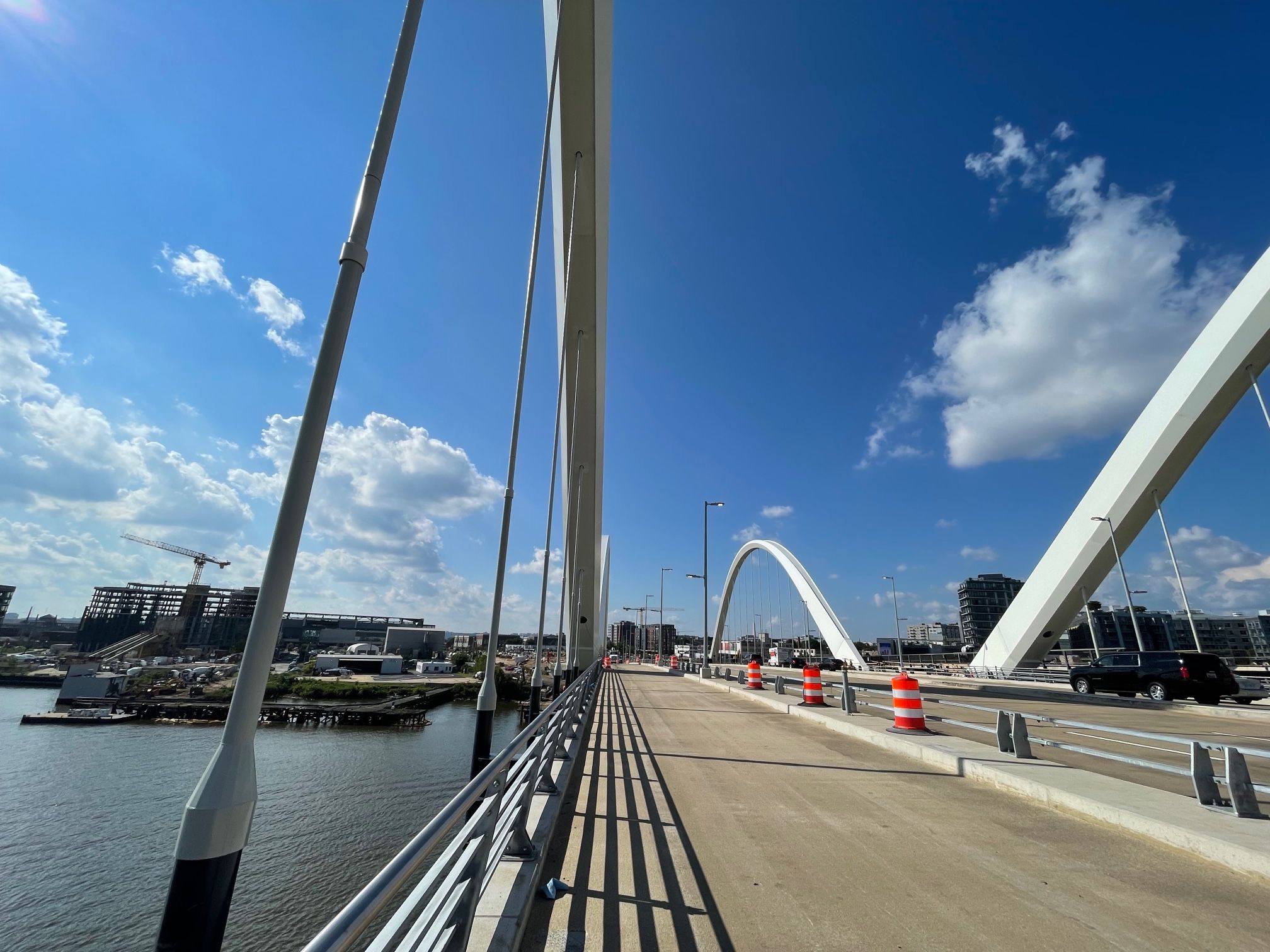
Start with the place
Washington’s growth is visible everywhere. But the people closest to that change should have the knowledge, relationships, and ownership pathways to help shape it.

Learn the practice
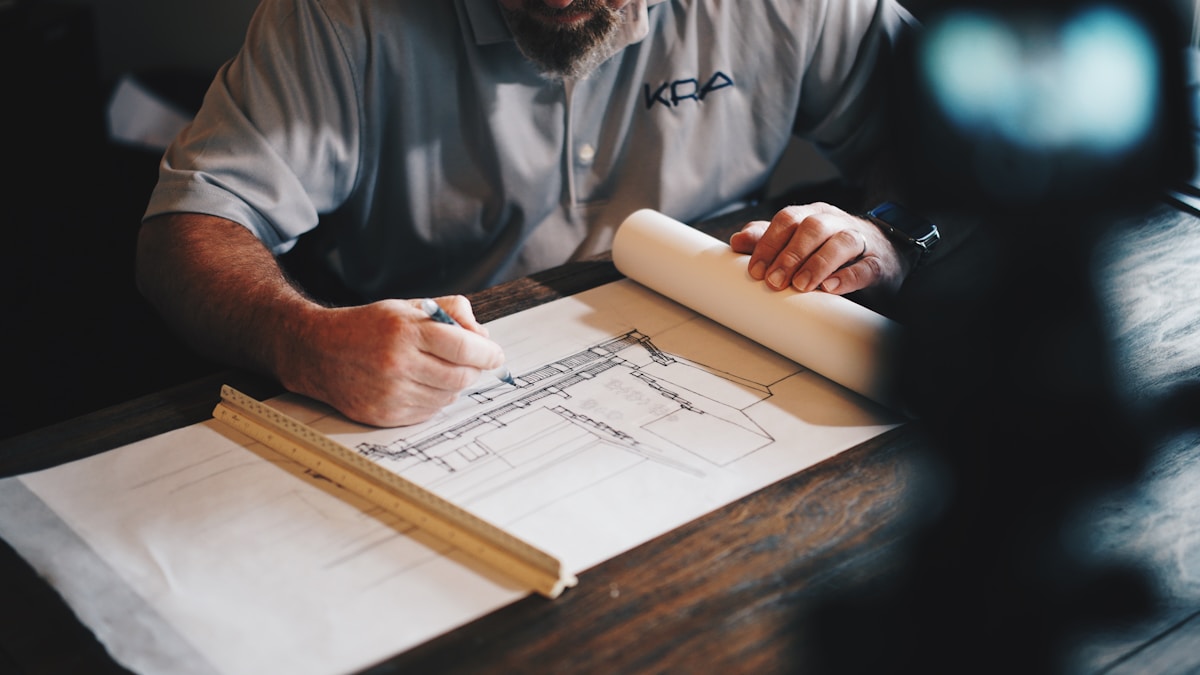
Stu-Wards learn how projects move from an idea to a site, from financing to construction, and from property operations to long-term community value.
Build what comes next
The destination is not simply a job. It is a generation of locally rooted developers equipped to create housing, opportunity, and wealth that stays in community.
The East of the River Atlas
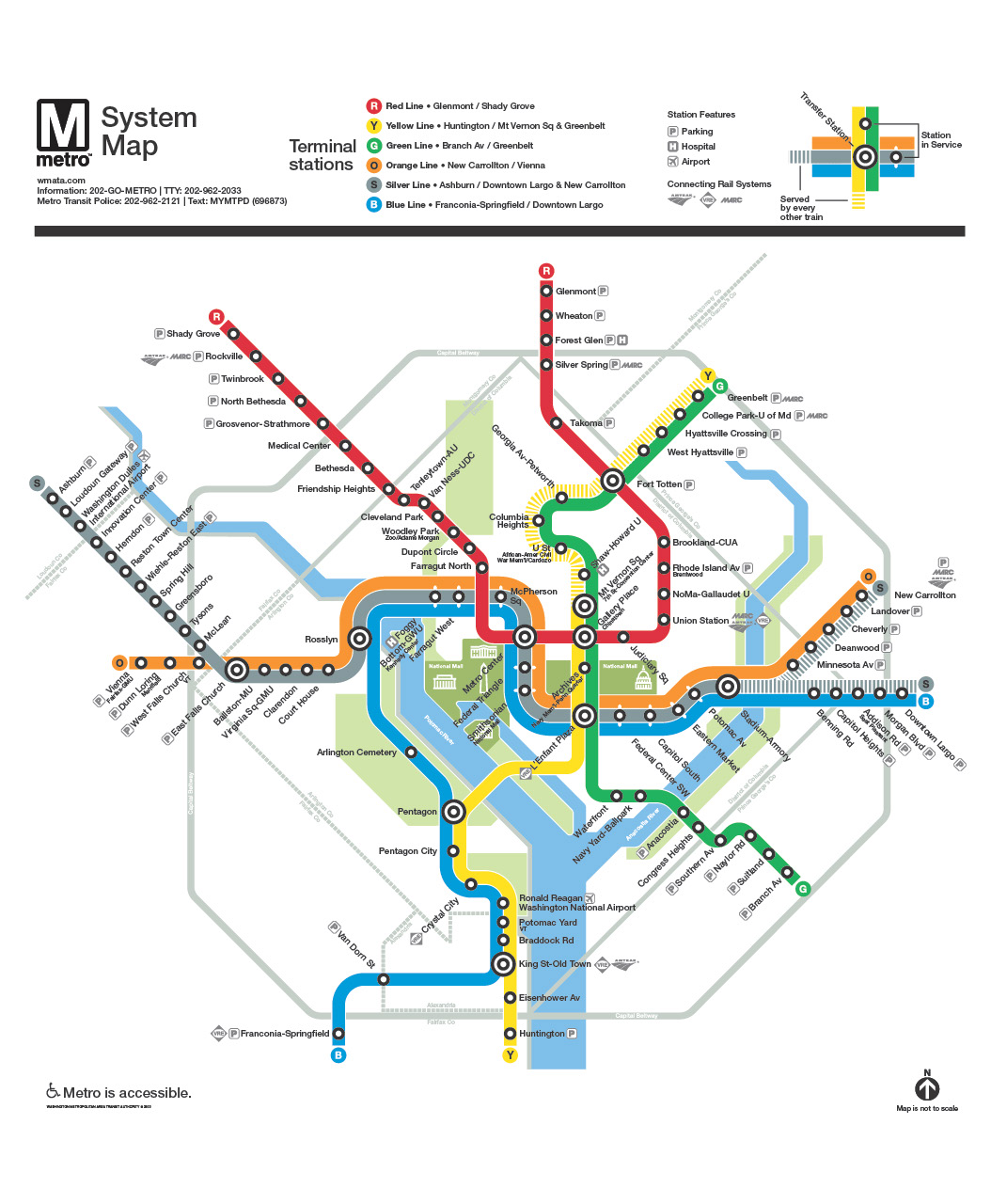
Explore Ward 7 and Ward 8 through three connected lenses. Every site holds lessons about land, movement, ownership, culture, and what responsible development can become.
Interactive development experience
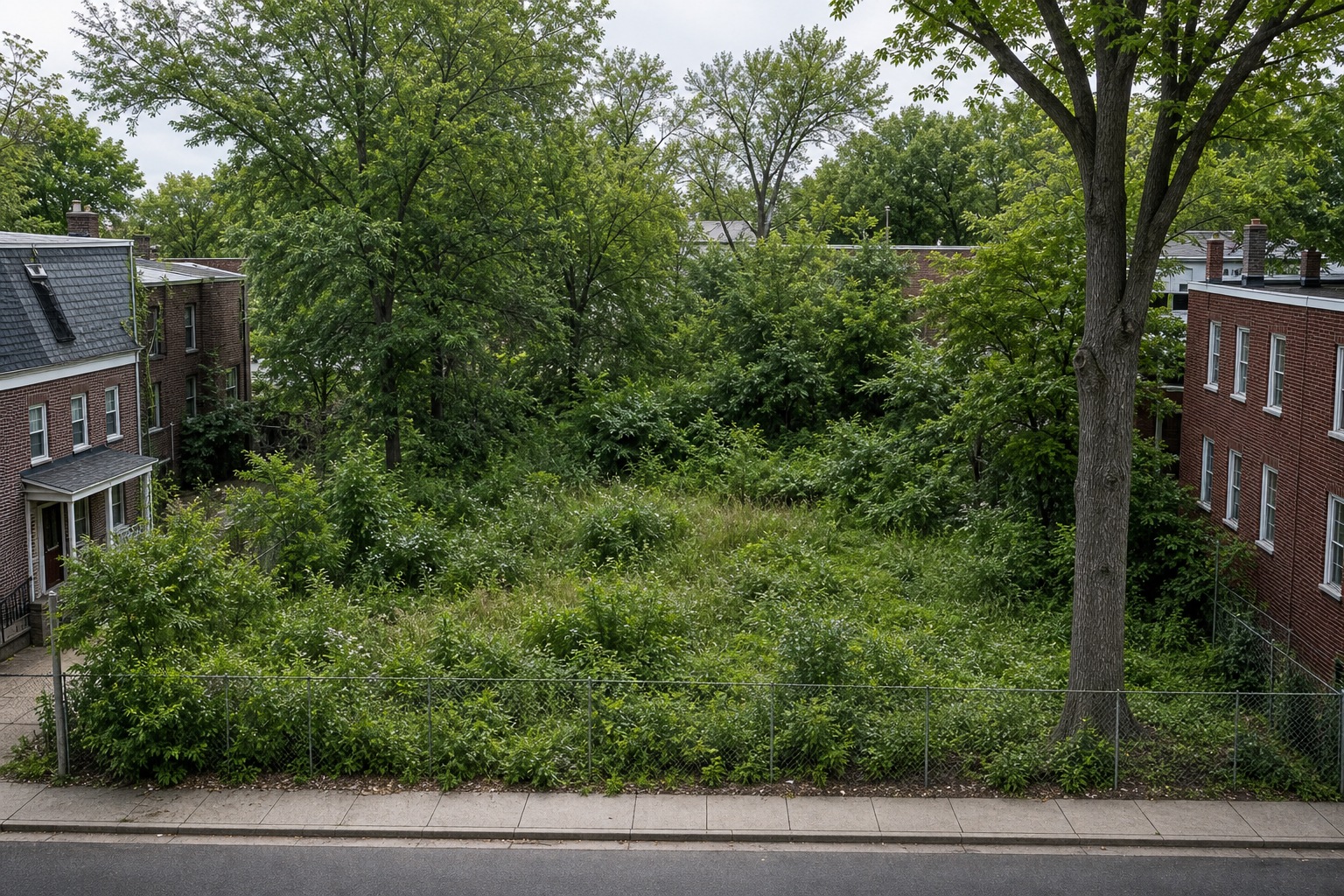
Build a realistic eight-home D.C. infill project from the ground up. Every tap advances the construction and opens another layer of the city’s housing, leadership, and East-of-the-River history.
Begin with the real conditions: mature trees, slope, soil, utilities, neighboring homes, ownership, zoning, and the people already connected to this block.
Eight wards · one connected city
Move through all eight wards. Each card pairs a local strength with a planning challenge and the kind of development leadership the city needs. Ward 7 and Ward 8 receive deeper focus because historic underinvestment has made the opportunity and responsibility larger.
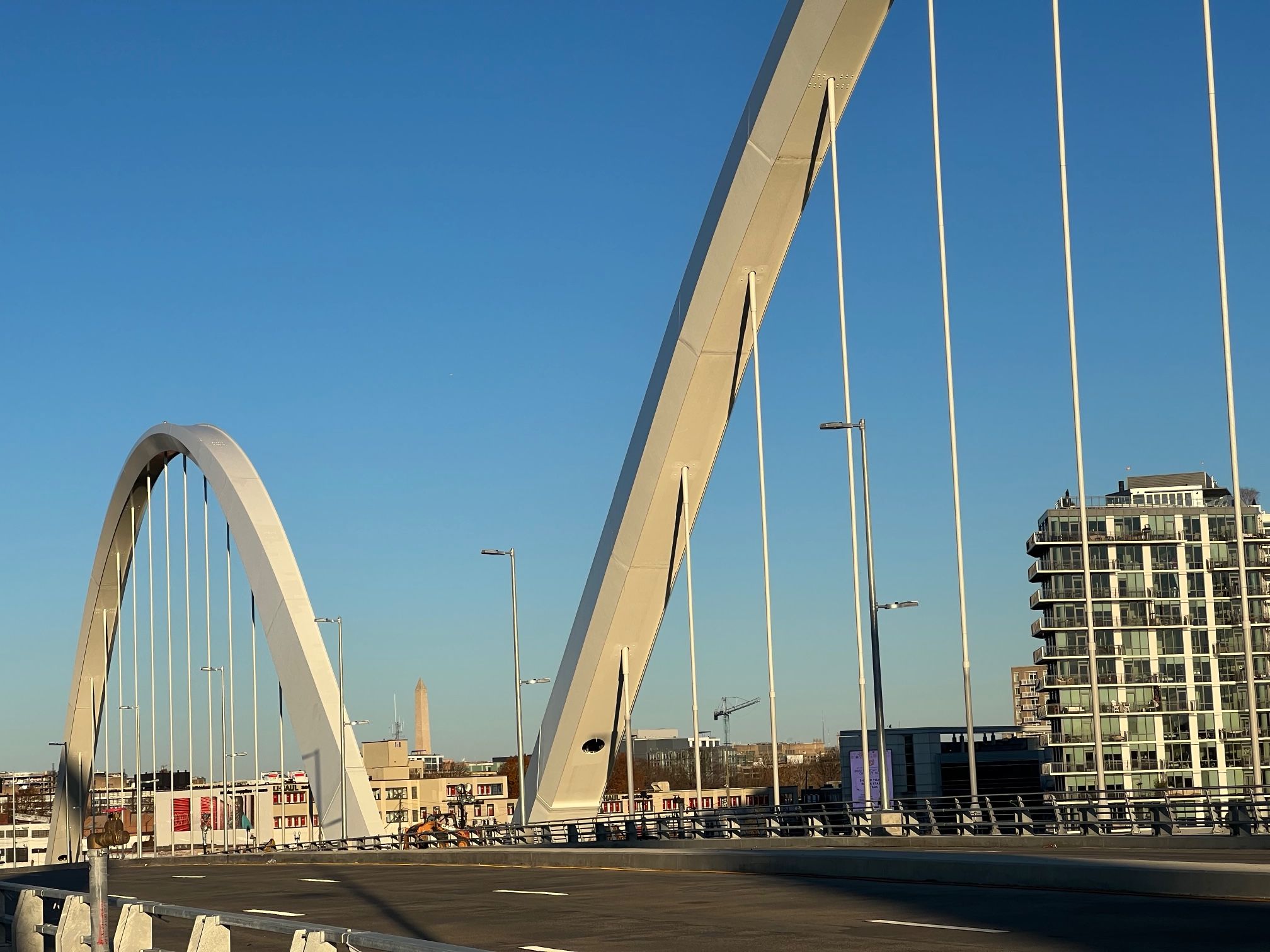
Ward landmark photography: Wikimedia Commons contributors. Each open card links to its District planning file.
About Community Stu-Wards
Community Stu-Wards trains the next class of emerging community developers through an immersive apprenticeship in affordable real estate, green-sector innovation, project development, and community wealth-building.
We believe residents should not be pushed aside by neighborhood growth. They should help lead it, build it, and share in its long-term value.
Prepare emerging developers to lead responsible, community-centered development in Washington, D.C.
Stronger communities shaped by skilled, invested, and locally rooted leaders.
The Stu-Ward framework
Every phase combines practical learning with meaningful work, so knowledge becomes capability and capability becomes opportunity.
01
Learn
Train in real estate, property management, development, construction, finance, sustainability, and more.
A clear path forward
Build the foundation, apply your knowledge, then step into a real joint-venture development experience.
Learn the basics, build core skills, and set your professional goals.
Earn certifications and advance your chosen professional path.
Work on active projects and serve your community in the field.
Plan projects, build proposals, and prepare for launch.
Identify opportunities and shape a viable development plan.
Partner with A-Peace and Community Stu-Wards on a real project.
Create opportunity for yourself and stronger communities for the future.
Work that stays rooted
Participants learn on projects with a purpose: attainable housing, greener neighborhoods, urban agriculture, and a stronger local economy.

There is a place for you
Join the program, share your expertise, partner on community projects, or help train the next class of emerging developers.
Join the next cohort and begin your path as an emerging community developer.
Bring real-world expertise into workshops, projects, and participant coaching.
Share your expertise →Collaborate on housing, sustainability, workforce, or community initiatives.
Start a partnership →Invest in the training, housing, and real projects that prepare emerging developers to lead.
Make an impact →Leadership rooted in Washington
Community Stu-Wards is guided by developers, entrepreneurs, mentors, and community advocates committed to preparing emerging leaders for responsible development.
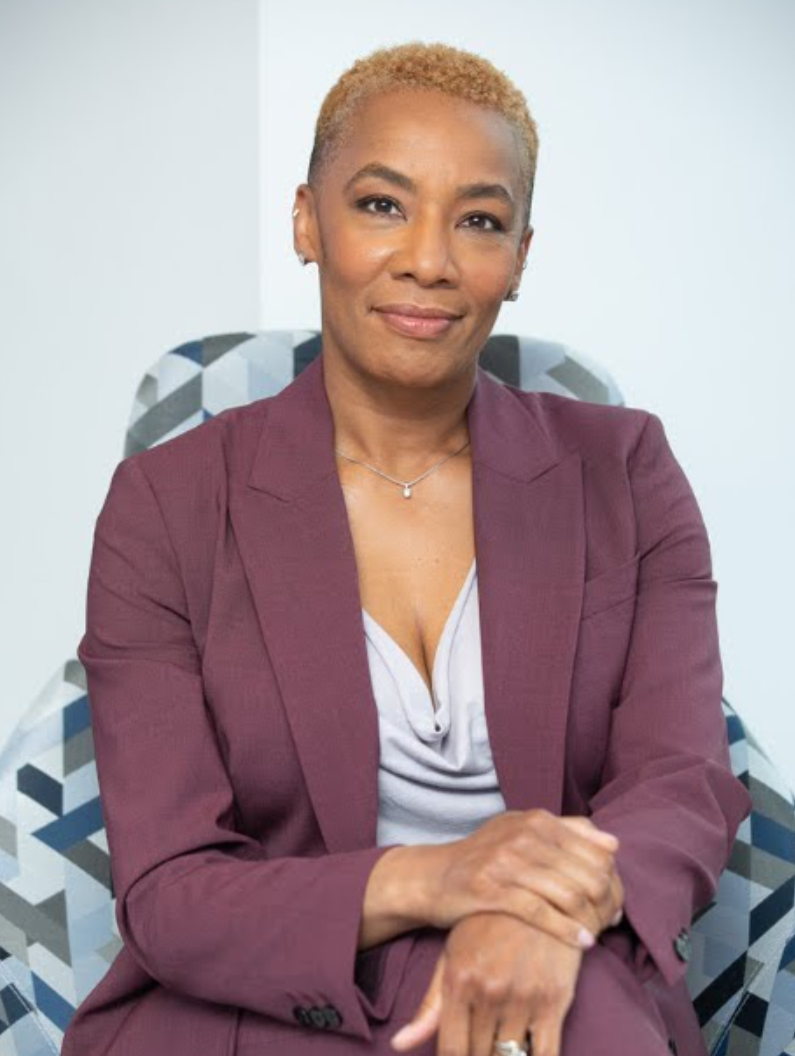 Founder & Chair
Founder spotlight
Founder & Chair, Community Stu-Wards · Founder & CEO, A-Peace LLC
A native Washingtonian, licensed property manager, and community developer, Ayesha has spent more than 20 years in residential ownership and management. Her work joins affordable housing, clean energy, wellness, education, and pathways to ownership.
ULI Washington reports that she founded Community Stu-Wards in October 2024 after growing A-Peace’s resident-centered housing work across the D.C. region. She is an alumna of Capital Impact Partners’ Equitable Development Initiative and Housing Equity Accelerator Fellowship.
Executive Leadership
Leads program operations, strategic development, partnerships, and relationship management to advance sustainable community impact.
Board Member
Supports Community Stu-Wards’ mission and strategic community initiatives.
Board Member
Realtor, entrepreneur, and co-founder of MORE, focused on community empowerment through real estate and innovation.
Board Member
Entrepreneur and mentor known as “Mrs. Defy Gravity,” committed to empowering the next generation of leaders.
Board Member
Supports the organization’s vision for attainable housing, community leadership, and wealth-building.
Recognition and reporting
Independent reporting and public agencies document the foundation behind Community Stu-Wards: A-Peace’s housing portfolio, green development, industry leadership, and investment in emerging developers.
News4 profiles Hudson’s renewable-energy housing work and commitment to developing within D.C.’s underrepresented communities.
Watch coverage → ULI WashingtonFeb. 21, 2025A profile of Hudson’s career and the live-in Stu-Ward model following her inaugural Future Forum CRED Talk.
Read profile → DC Department of Energy & Environment2025DOEE documents A-Peace’s 47-door portfolio, electrification, solar installations, Nettie Farm, and the Stu-Ward Program.
Read official case study → DC Green BankJuly 20, 2023DC Green Bank, Capital Impact Partners, and Amazon backed new and preserved affordable housing in Wards 7 and 8.
Read announcement → The Washington InformerOct. 16, 2024Local reporting covers the opening of A-Peace’s all-electric, solar-equipped affordable housing development.
Read article → Capital Impact PartnersJune 17, 2024Capital Impact cites Hudson’s nine new and four preserved affordable homes as an outcome of its D.C. development training.
Read story →Figures above reflect the cited public sources and may describe A-Peace LLC’s development portfolio, which provides the practical foundation and project partnership for Community Stu-Wards.
Community Stu-Wards Field Notes
Short, sourced analysis connecting public decisions to housing, health, transit, and the work of emerging community developers.
D.C. returned more than $10 million in federal grants intended to help end homelessness across the 2017–2021 grant years, according to reporting based on HUD and Community Partnership data.
Cedar Hill Regional Medical Center opened in Ward 8 with 136 beds, expansion capacity to 184, and a 54-bay adult and pediatric emergency department.
DOEE’s 2025 case study documents A-Peace’s 47-door, six-building portfolio alongside electrification, solar, urban agriculture, and the Stu-Ward training model.
Field Notes represent Community Stu-Wards’ analysis of cited public information. They are designed to prompt informed discussion, not replace the underlying source material.
Your future. Your community.
Spots are limited. Take the first step toward a future in community-centered development.
Let’s build something meaningful
Ask about the program, volunteer as an industry mentor, or explore a partnership with Community Stu-Wards.
info@communitystuwards.org PO Box 36112